Pipe Insulation and Freeze Prevention in Canadian Homes
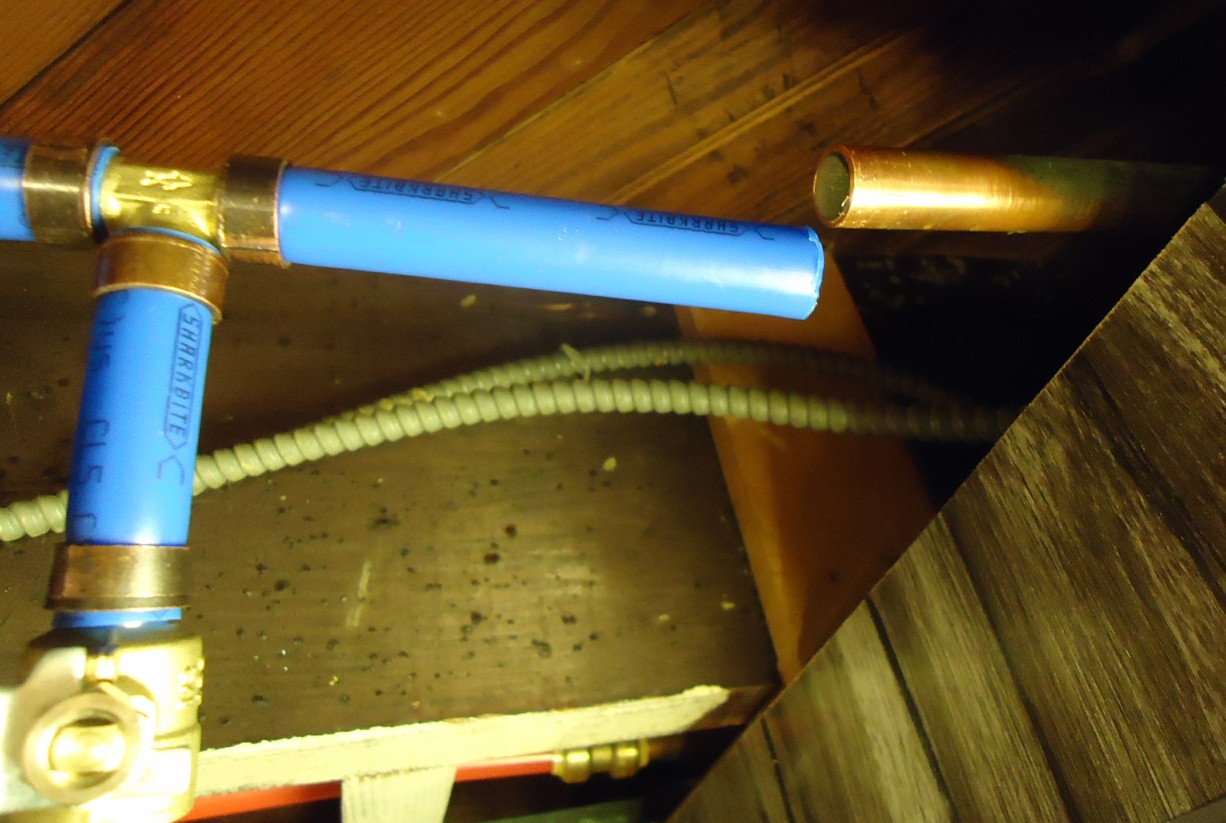
When water inside a pipe freezes, it expands. That expansion can split copper pipes, crack PVC fittings, and rupture flexible PEX tubing. The resulting water damage often exceeds the cost of the pipe repair itself. In Canada, where sustained temperatures below -20°C are common in many regions from December through February, identifying and insulating at-risk pipes before the heating season is a routine but consequential task.
Which Pipes Are at Risk
Not all pipes in a house face equal risk. Pipes running through interior walls that are continuously heated are generally safe. The concern is pipes in spaces that are either unheated or intermittently heated:
- Garage walls: If water supply lines run through an attached or detached garage, they are exposed to ambient temperature whenever the garage door is open or if the garage is not heated. This is one of the most common sites of freeze damage in Canadian homes.
- Crawl spaces: Vented crawl spaces under older homes — particularly those built before the 1980s — often have inadequate insulation under the floor deck. Supply lines running through these spaces lose heat rapidly.
- Exterior wall cavities: Pipes installed in exterior walls with insufficient insulation on the outdoor side are vulnerable. This is most common in older construction where plumbing was retrofitted.
- Basement rim joists: The band of framing at the foundation wall top, where the floor joists meet the foundation, is a common thermal weak point. Pipes near rim joists in unfinished basements can freeze in severe cold snaps.
- Exterior hose bibs and supply lines: Outdoor faucets fed by interior supply lines must be shut off at an interior valve and the line drained before the first freeze. Frost-free sill cocks are less vulnerable but still require the hose to be disconnected.
Regional note: In provinces like Manitoba, Saskatchewan, and northern Ontario, sustained cold weather can begin as early as mid-October. In milder coastal regions of British Columbia, freezing risk may not peak until January or February. The appropriate timing for winterization tasks varies accordingly.
Insulation Materials
Pipe insulation is manufactured in several forms suited to different applications:
| Material | Form | Typical Use |
|---|---|---|
| Closed-cell foam (polyethylene) | Pre-slit tubes | Interior supply lines in crawl spaces and basements; easy to install over straight runs |
| Fiberglass wrap | Tape or blanket | Higher-temperature applications; used with heat tape to retain warmth |
| Rubber foam (EPDM) | Pre-slit tubes | Cold water lines; more durable than polyethylene in damp conditions |
| Spray foam (two-part) | Applied in place | Sealing cavities around pipes at rim joists and penetrations; not pipe insulation per se, but addresses the surrounding air gap |
Closed-cell foam tube insulation is the most common choice for residential DIY work. It is sized by the pipe's outside diameter and fits standard copper and PEX dimensions. For most interior crawl space and basement applications, a wall thickness of 19 mm (3/4 inch) is the minimum useful level; 25 mm (1 inch) provides more buffer in very cold zones.
Electric Heat Tape
In locations where insulation alone is insufficient — such as pipes in an unheated garage or a crawl space open to outdoor air — self-regulating electric heat tape is an additional layer of protection. Self-regulating tape adjusts its heat output based on ambient temperature: it draws more power when cold and less when the surrounding air warms. This characteristic reduces energy consumption and eliminates the risk of overheating.
Several considerations apply to heat tape installations:
- Use a product rated for the pipe material. Some tapes are not safe for plastic pipe.
- Follow the manufacturer's overlap guidance. Excessive overlap can cause heat buildup.
- Run heat tape to a standard 120V grounded outlet. Avoid using extension cords.
- Install pipe insulation over the heat tape, not instead of it. The insulation holds the heat close to the pipe and reduces the energy required.
- Check the tape annually for physical damage, cracking, or rodent damage before the heating season begins.
Know Your Water Shutoff
Before winter, every adult in the household should know the location of the main water shutoff valve and confirm it operates correctly. If a pipe bursts, immediate shutoff is the fastest way to limit water damage. In many Canadian homes, the main shutoff is near the water meter, typically in the basement or a mechanical room. Older gate-style valves may be stiff from disuse — exercising them once per year prevents them from seizing completely.
Outdoor Water Sources
The procedure for shutting off exterior hose bibs varies by the type of fitting installed:
- Locate the interior shutoff valve for the exterior faucet — usually a dedicated valve on the supply line in the basement or crawl space.
- Turn the interior valve to the closed position.
- Open the exterior faucet fully to drain any water remaining in the line between the shutoff and the bib.
- Disconnect any garden hose. A hose left attached traps water and prevents proper drainage even with frost-free bibs.
- Leave the exterior faucet open or closed depending on the manufacturer's instructions. Most frost-free bibs should be left in the closed position after draining.